By: Emma Anmolsingh, Staff Writer
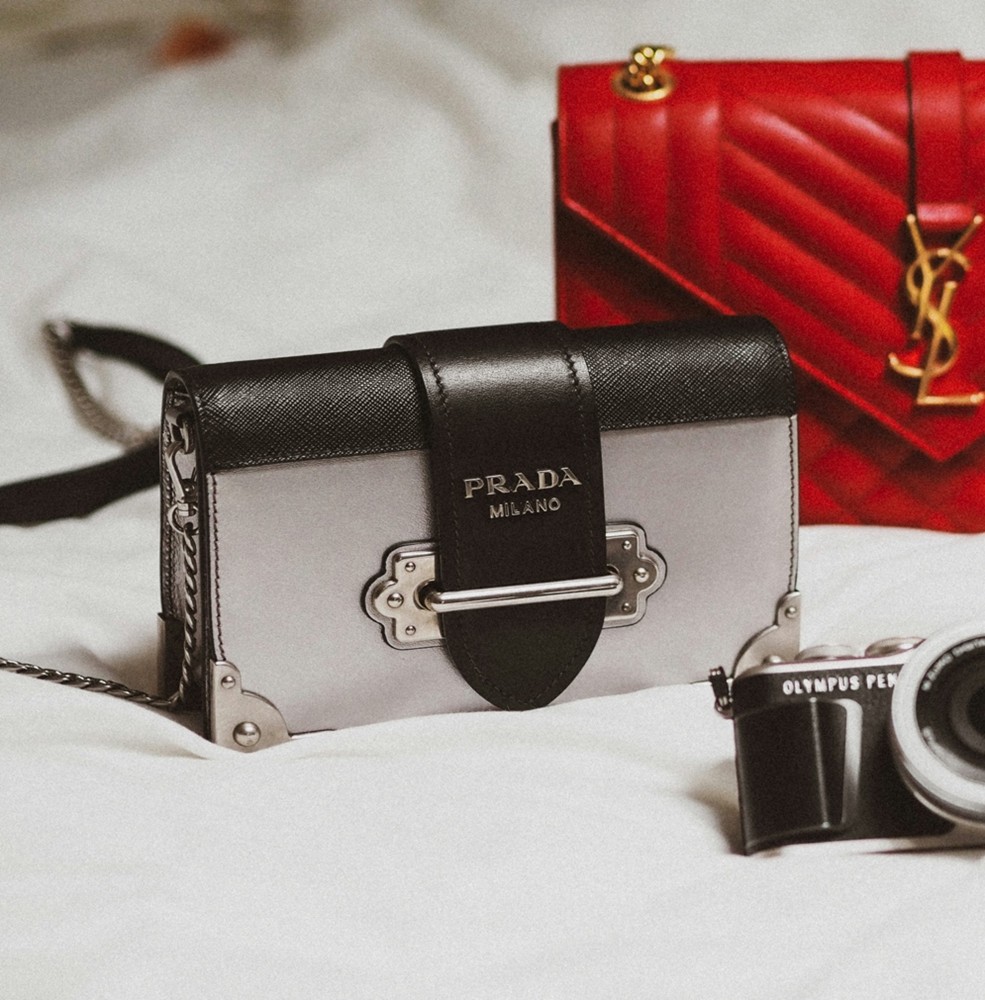
Photo courtesy of Unsplash
The Federal Bureau of Investigation has referred to the counterfeit fashion industry as the crime of the 21st century. [1] Trade in fake goods is worth more than $450 billion annually, making up over 2% of global imports. [2] Under 18 U.S. Code § 2320, the international sale, distribution, import, or export of counterfeit trademark goods is a criminal offense in the United States.[3] A counterfeit good is a manufactured product that is sold using a fake trademark, logo, or branding that is identical or substantially indistinguishable from a legitimate trademark registered with the U.S. Patent and Trademark Office.[4] The product is used to cause consumer confusion or deception about the product’s authenticity. [5] Once convicted, trafficking in counterfeit goods carries penalty fines of up to $2,000,000 and up to 10 years of incarceration.[6] For a second offense, fees are raised to $5,000,000 with incarceration time ranging up to 20 years. For violations where the convicted has caused or attempted to cause serious bodily injury, fines and incarceration time is more extreme.[7]
Some of the most common counterfeited brands include Louis Vuitton, Rolex, Gucci, Chanel, and Nike.[8] A blog post highlighting the “Dark Side of Luxury” states that advancements in technology and manufacturing techniques have created high- end duplicates that make it increasingly challenging to differentiate between authentic and fake items.[9] Consumers who unknowingly purchase counterfeit luxury products may face various risks such as financial loss from spending significant sums on fake items, or deceit in believing that they own authentic luxury items when they do not.[10] Counterfeit products are typically made with inferior materials and accessories may contain harmful chemicals.[11] Products can also be produced in unsanitary conditions.[12] In 2022, The American Apparel & Footwear Association (AAFA) conducted a study testing 39 different counterfeit products including clothing, footwear, and accessories.[13] The AAFA tested the products to see if they complied with US and international product safety standards, ultimately finding that 41 percent did not comply.[14] More than 20 percent of the total counterfeit samples failed testing due to excessive phthalate levels.[15] Phthalates are chemicals found with most products that have contact with plastics during producing, packaging, or delivery.[16] Excessive amounts of the chemical will likely have adverse effects on the endocrine system and other organs, which can have negative long-term impacts on pregnancies, child growth and development, and reproductive systems in young children and adolescents.[17] Further, luxury brand counterfeits can also negatively affect luxury brand manufacturers through lost revenue and may mislead consumers, resulting in financial or physical harm.
As the law continues to fight counterfeiting, there has been debate on whether or not sentencing guidelines and how the courts are using them effectively deter counterfeiting. Although Congress has implemented strict prison sentences of up to 20 years for violations, sentences imposed by judges are often lesser sentences.[18] For example, in United States v. Diallo, defendant Diallo was convicted of trafficking counterfeit luxury goods in Pennsylvania.[19] The items contained the trademarks of several luxury designers, particularly Louis Vuitton.[20] During sentencing discussions, federal prosecutors asked the court to impose a sentence of 33-41 months in prison based on the cost of the genuine version of the goods Diallo sold which totaled about $215,000.[21] Diallo’s defense counsel argued that the sentence should be based on what Diallo would have sold the counterfeits for which was $10,000.[22] Ultimately, Diallo was sentenced to 6 months of home detention, 3 years of probation, and restitution of $2,600.[23] Even though it was his third offense—all involving the sale of counterfeit luxury handbags—his sentencing was considered “lenient” because the total monetary value was determined to be modest.[24] Counterfeiting sentences are frequently imposed based on street value presumption meaning that the courts estimate the value of the counterfeit goods based on their retail price, rather than taking into account the actual cost of producing the goods.[25] Therefore, sentences for counterfeiters may be, in reality, less than what Congress had intended when enacting counterfeiting regulations. This poses the question: Should sentencing for counterfeiting be stricter, or is a more lenient approach sufficient to render justice for these crimes?
[1] https://www.theregreview.org/2024/08/17/unboxing-counterfeit-luxury-goods-in-international-trade/
[2] https://www.bcg.com/publications/2025/how-luxury-brands-can-counter-rise-superfakes
[3] https://www.law.cornell.edu/uscode/text/18/2320
[4] Id.
[5] Id.
[6] Id.
[7] Id.
[8] https://officialauthentication.com/blogs/news/beware-of-imitations-the-top-5-luxury-brands-most-targeted-by-counterfeiters
[9] https://corsearch.com/content-library/blog/the-dark-side-of-luxury-unveiling-the-scale-and-dangers-of-counterfeits/
[10] Id.
[11] Id.
[12] https://vlaa.org/the-complexities-and-consequences-of-fashion-knockoffs/
[13] https://fashionunited.uk/news/fashion/aafa-study-fashion-fakes-not-only-hurt-brands-but-are-also-dangerous-to-health/2026020486112
[14] Id.
[15] Id.
[16] https://pmc.ncbi.nlm.nih.gov/articles/PMC8157593/
[17] Id.
[18] Id.
[19] Id.
[20] Id.
[21] Id.
[22] Id.
[23] Id.
[24] Id.
[25] Id.